 EN
EN

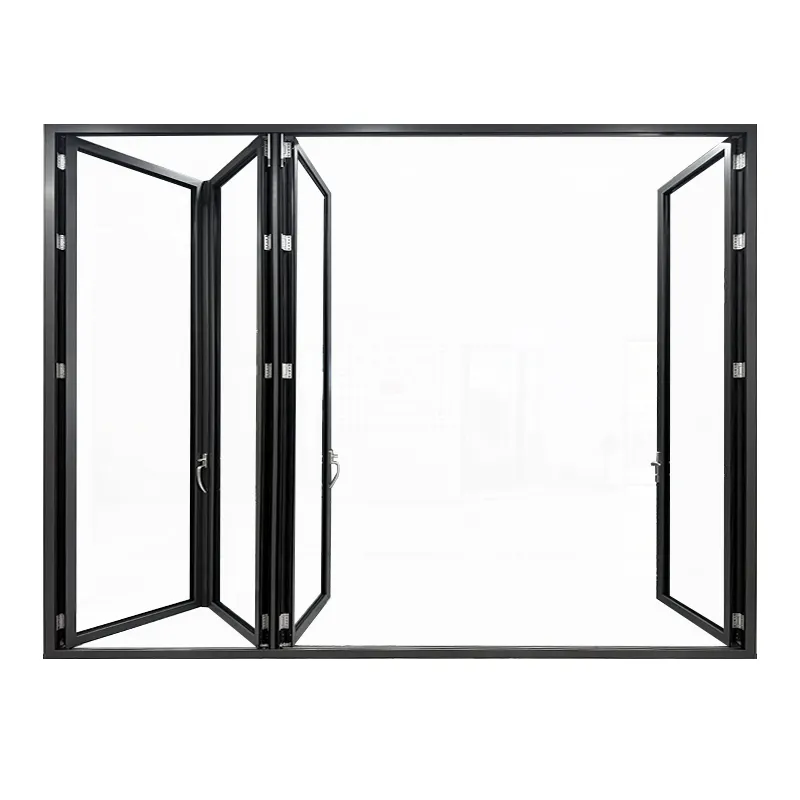
Understanding Acoustic Performance in Affordable Soundproof Aluminum Sliding Glass Windows
The Impact of Urban Noise Pollution on Demand for Soundproof Windows
More than two thirds of people living in cities say they experience noise problems that go beyond what the World Health Organization considers safe. This has led to about a 27 percent jump each year in requests for windows that block out sound since around 2021. These days, aluminum sliding glass units with special sound dampening features make up roughly 41% of all window replacements happening in big city neighborhoods. Homeowners are turning to these products as an affordable way to combat the constant hum of traffic, ongoing construction work, and other noises that come with city life.
How STC Ratings Define Sound Reduction in Window Performance
The Sound Transmission Class (STC) rating system quantifies noise reduction, with quality aluminum sliding windows achieving STC 35–42 ratings. For context:
| STC Rating | Noise Reduction Capability |
|---|---|
| 30 | Normal conversation audible |
| 35 | Loud speech muffled |
| 40+ | Most traffic noise blocked |
Research in Building and Environment (2023) shows dual-sealed aluminum frames with 6mm acoustic laminated glass improve STC performance by 28% compared to standard sliding windows.
Balancing Cost and Acoustic Insulation: Smart Selection Strategies
While triple-glazed systems offer superior soundproofing, aluminum sliding windows with double glazing and thermal breaks deliver 85% of the noise reduction at 60% of the cost. Strategic upgrades like 12mm air gaps between panes, argon-filled cavities, and variable-thickness glass layers optimize acoustic performance without premium price tags.
Growing Trend: Affordable High-Performance Acoustic Windows in Residential Projects
Contractors report a 132% increase in aluminum sliding window installations for multi-family housing since 2022, driven by 25–35% lower material costs vs. wood/composite frames, a 50-year lifespan with minimal maintenance, and compatibility with smart home sensor integration.
Real-World Results: Case Study on Noise Reduction with Aluminum Sliding Windows
A 2023 retrofit project near London Heathrow Airport demonstrated 65% noise reduction (from 82dB to 29dB) using STC-38 rated aluminum sliding windows, achieving ROI through 23% energy savings from improved thermal seals, $740 annual noise-related health cost reduction (Ponemon Institute 2023), and an 18% property value increase versus non-acoustic units.
Glazing Options That Maximize Noise Reduction in Aluminum Sliding Windows
Aluminum sliding windows today can cut down city noises by anywhere from 25 to 42 decibels when built with the right kind of glass setups. Windows that have two panes of glass actually stop about 35 percent more sound energy than those with just one pane according to tests done by the National Fenestration Rating Council last year. Looking at recent findings from the 2023 study on acoustic materials, we see something interesting happening with laminated glass that contains these special PVB layers between them. This type of glass cuts out around 40% more high pitch sounds than regular tempered glass does. For people living close to runways or major road crossings where traffic韩音 constant throughout the day, this makes all the difference in creating quieter living spaces inside their homes.
Double Glazing and Acoustic Glass Technologies for Superior Sound Insulation
Dual-pane units filled with argon gas and acoustic-grade laminated glass demonstrate STC ratings of 32–38 dB, effectively dampening urban noise below WHO-recommended 35 dB indoor thresholds. Leading manufacturers now offer hybrid designs combining 6mm outer glass layers with inner acoustic laminate panels, achieving 70% noise deflection at 15–20% lower cost than triple-glazed systems.
Comparing Single, Double, and Laminated Glass for Soundproofing Effectiveness
| Configuration | STC Rating | Cost Premium | Best For |
|---|---|---|---|
| Single-pane (6mm) | 25–28 dB | – | Quiet suburbs |
| Double-glazed | 32–36 dB | 18–22% | Moderate urban noise |
| Laminated dual-pane | 38–42 dB | 30–35% | High-traffic areas |
Data source: National Fenestration Rating Council 2023 Annual Report
How Glass Thickness and Air Gap Size Influence STC Performance
When glass gets thicker, going from standard 4mm up to 6mm actually boosts STC ratings by around 4.2 decibels. And if we look at the space between panes, those sweet spots between 16 and 20mm wide can knock out an extra 3 to 5dB of unwanted noise. Some field testing has revealed something interesting too. Putting together a 6mm outer pane with a 12mm acoustic laminate inside creates about 41dB STC performance. To put this into perspective, imagine living near a busy highway where outside noise hits 75dB levels. With this setup, what comes through the window would be closer to 34dB instead, making for much quieter indoor environments overall.
Design Innovations Enhancing Soundproofing in Aluminum Sliding Window Systems
Common Sound Leak Points in Standard Sliding Window Designs
Traditional aluminum sliding windows often underperform acoustically due to gaps between sashes, hollow frame chambers, and basic track systems, which allow 50–60% of exterior noise infiltration. Poor perimeter seals and single-glazed configurations amplify high-frequency sounds. These weaknesses explain why 42% of homeowners upgrading windows prioritize noise reduction (Residential Construction Survey 2024).
Modern Design Improvements: Acoustic Seals and Thermal Breaks
Top window makers are now combining multi chamber aluminum profiles with polyamide thermal breaks that actually stop sound from traveling through the frame. The newer acoustic seals feature triple layer EPDM gaskets which cut down on noise leakage around 12 decibels more than those basic single seals most products still use. Add foam filled frames into the mix and suddenly we're talking about STC ratings between 38 and 42 for budget friendly sliding systems. That kind of performance comes close to what expensive fixed windows offer but at a fraction of the cost according to field tests last year.
Retrofitting Existing Aluminum Frames with Soundproofing Upgrades
Homeowners can enhance older sliding windows cost-effectively through secondary interior glazing panels (8–10 dB improvement), magnetic perimeter seals for existing sashes, and track insulation using silicone-based noise-damping compounds. Retrofit kits typically deliver 60–70% of the noise reduction of full replacements at 40% lower cost, making them ideal for budget-conscious upgrades.
The Role of Custom Sizing in Maximizing Acoustic Efficiency
Aluminum frames made specifically to match exact opening sizes get rid of those annoying 3 to 5mm gaps we see in regular windows, gaps that let in about a quarter of all outside noise. Thermal breaks placed just right and sills angled at two different points help cut down on vibrations getting through the walls. When builders use these custom sized solutions in apartment complexes, they report around 31 fewer noise complaints than when using standard modular setups according to the Multi Family Acoustics Study from last year. This makes a real difference for residents living close together who want peace and quiet without having to deal with constant disturbances from neighboring units.
Cost vs. Performance: Evaluating Value in Soundproof Aluminum Windows
Key Factors Influencing Price and Noise Reduction Capability
Three primary elements determine both cost and acoustic performance:
- Glazing configuration: Double-pane systems with argon gas fill reduce noise by 50% compared to single-pane setups while adding 15–30% to material costs.
- Frame construction: Extruded aluminum profiles with thermal breaks improve STC ratings by 8–12 decibels but require 20% more raw material.
- Seal quality: Triple-layer silicone gaskets block 35% more high-frequency noise than standard rubber seals, based on 2023 acoustic lab tests.
Debunking Myths: Are Affordable Acoustic Windows Really Effective?
Contrary to popular belief, mid-range aluminum windows ($220–$380 per m²) achieve STC 38–42 ratings—sufficient for reducing urban traffic noise by 60–70% (Acoustical Society of America, 2023). Entry-level models now incorporate 6mm laminated glass layers, perimeter brush seals, and multi-point locking systems, enabling 25–30dB noise reduction comparable to premium alternatives costing 40% more.
Premium Features vs. Budget Solutions: Finding the Right Balance
| Feature | Budget Option ($180–$280/m²) | Premium Upgrade ($350–$480/m²) |
|---|---|---|
| Glass Type | 4mm laminated dual-pane | 6mm acoustic laminate triple-pane |
| Frame Insulation | Hollow chamber aluminum | Polyamide thermal break system |
| Air Tightness | EPDM rubber seals | Silicone-foam hybrid seals |
| STC Rating | 36–40 dB | 44–48 dB |
A 2023 market analysis reveals 68% of homeowners achieve satisfactory noise reduction (32–38dB) using mid-tier systems, while only 12% require premium solutions for extreme urban environments.
Choosing the Right Soundproof Aluminum Sliding Glass Windows for Your Environment
Matching Glazing and Frame Design to Urban or Suburban Noise Levels
Cities where background noise typically ranges between 70 to 85 decibels according to WHO reports from last year need windows rated at least STC 35 for adequate sound insulation. This kind of performance usually comes from triple glazed units or laminated glass panels with different thicknesses on each side. Things look a bit different in suburban neighborhoods though, where noise levels generally stay around 45 to 60 dB. For these areas, double glazing with air spaces measuring somewhere between 6 and 12 millimeters offers good value for money without breaking the bank. Some interesting findings came out of an acoustic research project published in 2023 too. They found that when manufacturers upgrade their aluminum window frames with thermal breaks built in, they cut down mid range noises like traffic rumble by almost half compared to regular frames. Makes sense really since those vibrations travel differently through materials.
Selecting Glass Types Based on Specific Acoustic Insulation Needs
When dealing with those high pitch noises like emergency vehicle sirens, installing 6.4mm laminated glass along with a 0.76mm PVB layer between the panes will stop around 85% of the sound that's over 2,000 Hz. For lower frequency issues such as constant road traffic vibrations, thicker options are needed. Double glazed windows measuring between 12 to 16mm thick filled with argon gas work best here, cutting down on those 250 to 500 Hz frequencies by roughly 60 to 70%. People living close to airports who want to save money without sacrificing too much noise reduction might consider mixing an 8mm tempered glass pane on the outside with a standard 6mm laminated glass inside. This combo typically costs about 25% less than going fully laminated throughout the entire window system.
Long-Term Benefits and ROI of Investing in Quality Soundproof Windows
Homes with STC 40+ windows report 18% higher resale values (National Realtors Association 2024) and 31% reduction in HVAC costs due to improved thermal performance. A 5-year case study in Chicago demonstrated $1,200 annual energy savings and 92% occupant satisfaction with noise reduction in properties using aluminum sliding windows.
Why Aluminum Frames Offer Structural Advantages for Sound Insulation
Aluminum has an impressive yield strength of around 110 MPa which keeps those sealing gaps between 2 to 3 mm consistent even over long distances like 6 feet. This is way better than vinyl materials that only reach about 25 MPa and tend to warp over time, letting in unwanted noise. Newer designs actually incorporate silicone filled expansion joints now. These little features can handle temperature changes of plus or minus 5 degrees Celsius without breaking the acoustic seal they create. What makes aluminum really stand out though is its remarkable resistance to corrosion lasting approximately 70 years. For buildings near the coast where salt air hangs around constantly, this matters a lot. Studies show that nearly half (about 47%) of steel framed windows start showing signs of degradation from salt exposure within just 15 years of installation.
FAQ
What does the STC rating imply for soundproof windows?
The Sound Transmission Class (STC) rating indicates a window's ability to reduce sound; higher ratings mean better sound reduction. Quality aluminum sliding windows usually achieve STC 35–42 ratings.
How do aluminum sliding windows compare cost-wise to other materials?
Aluminum sliding windows are generally 25–35% cheaper than wood/composite frames and offer a 50-year lifespan with minimal maintenance.
Can existing windows be retrofitted to improve sound insulation?
Yes, older aluminum frames can be enhanced with secondary glazing panels and magnetic perimeter seals for improved noise reduction at a fraction of replacement costs.
Are mid-range acoustic windows effective in reducing noise?
Mid-range aluminum windows priced between $220–$380 per m² can achieve STC 38–42 ratings, effectively reducing urban traffic noise by 60–70%.
Table of Contents
-
Understanding Acoustic Performance in Affordable Soundproof Aluminum Sliding Glass Windows
- The Impact of Urban Noise Pollution on Demand for Soundproof Windows
- How STC Ratings Define Sound Reduction in Window Performance
- Balancing Cost and Acoustic Insulation: Smart Selection Strategies
- Growing Trend: Affordable High-Performance Acoustic Windows in Residential Projects
- Real-World Results: Case Study on Noise Reduction with Aluminum Sliding Windows
- Glazing Options That Maximize Noise Reduction in Aluminum Sliding Windows
- Design Innovations Enhancing Soundproofing in Aluminum Sliding Window Systems
- Cost vs. Performance: Evaluating Value in Soundproof Aluminum Windows
- Choosing the Right Soundproof Aluminum Sliding Glass Windows for Your Environment
- FAQ