 EN
EN

The Science Behind Tempered Glass: Strength, Safety, and Durability
Tempered glass windows combine safety and durability through advanced material engineering, making them indispensable in modern construction. This glass variant undergoes rigorous scientific processes to achieve superior performance compared to traditional alternatives.
How the Tempering Process Enhances Glass Strength and Durability
Thermal tempering works by heating regular glass up around 620 degrees Celsius or about 1,148 Fahrenheit, then blasting it with cold air really fast. What happens next is pretty interesting - the outside gets compressed under pressure forces reaching roughly 10 thousand pounds per square inch. Because of this treatment, tempered glass ends up being anywhere from four to five times tougher compared to regular untreated glass. Plus it handles temperature changes better too. Inside the glass there's actually tension fighting against the outer compression layer. This strange balance between what's happening on the inside versus the outside makes the whole thing much more durable overall.
Thermal and Impact Resistance in Modern Construction Applications
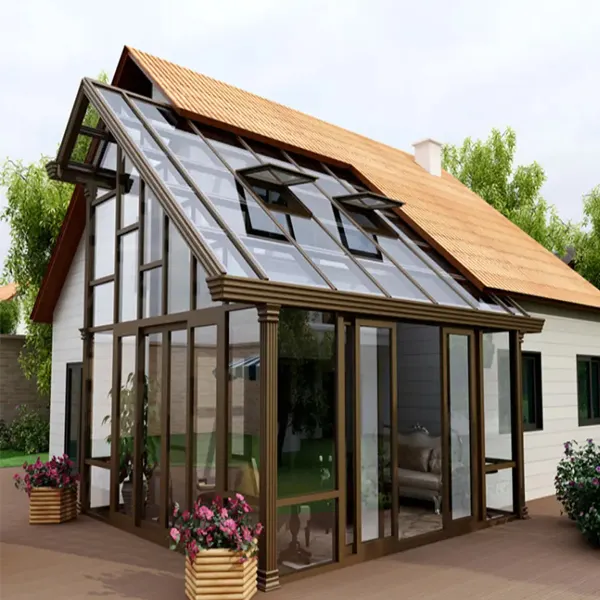
Tempered glass withstands temperature fluctuations exceeding 200°C (392°F) without fracturing, making it ideal for skylights and building facades. Its impact resistance—tested for winds up to 150 mph—stems from the compressed surface layer, which redistributes stress and resists crack propagation under pressure.
Breakage Behavior: Shatter Resistance and Injury Prevention
When fractured, tempered glass breaks into small, blunt granules rather than sharp shards—a critical safety feature that significantly reduces laceration risks. This controlled fragmentation meets ANSI Z97.1 safety standards, ensuring compliance in public and high-traffic areas.
Tempered vs. Annealed Glass: A Comparative Analysis of Safety and Performance
| Property | Tempered Glass | Annealed Glass |
|---|---|---|
| Strength | 4–5× stronger | Baseline strength |
| Break Pattern | Dull granules | Sharp shards |
| Thermal Resistance | 200°C+ tolerance | Prone to thermal stress |
| Safety Certification | ANSI Z97.1 compliant | Non-compliant |
Tempered glass outperforms annealed variants in fracture resistance by 460%, explaining its growing mandate in building codes for high-risk zones.
Safety Advantages of Tempered Glass Windows in Residential and Commercial Buildings
Safe Break Pattern: How Tempered Glass Minimizes Injury Risk
Tempered glass goes through a special heating and cooling process that creates compression on the surface, which makes it stronger overall. When this type of glass does break, it shatters into small, rounded pieces instead of sharp shards. Studies show that this significantly cuts down on serious cuts, maybe around 80% less risk than regular annealed glass. Plus, it meets those ANSI Z97.1 safety requirements for impacts from people. Because of all this, we see tempered glass installed everywhere these days, especially where kids might be running around like in schools, hospitals, and even residential properties.
Ideal for High-Traffic Areas: Use in Windows, Doors, and Sidelights
Its combination of strength and safety makes tempered glass ideal for high-use environments:
- Entry doors resist stress from repeated use
- Storefront windows endure accidental impacts from foot traffic
- Bathroom enclosures maintain integrity despite humidity changes
Over 78% of commercial property managers select tempered glass for sidelights and atrium walls, citing lower maintenance costs and reduced liability.
Compliance with Building Codes and Glass Safety Standards
Tempered glass meets important building codes like the IBC and ADA guidelines when it comes to installing glass near areas people walk, next to doorways, around pools, or on balconies. Pretty much every state across America mandates its use in showers and escape routes during emergencies. Over in Europe, public buildings must follow similar rules under the EN 12150-1 standard. The glass basically becomes a safety requirement wherever there's a risk of breakage that could cause injury. Contractors know this well since code inspectors are always looking for proper installation in these critical locations.
Performance Under Stress: Impact and Thermal Shock Resistance
Withstanding Extreme Conditions: Thermal Shock and Temperature Fluctuations
Tempered glass can handle temperature changes much better than regular annealed glass actually about five times better according to tests. It stands up well against extreme temperatures ranging from minus 40 degrees Fahrenheit all the way up to 300 degrees without cracking or breaking down. What makes this possible is surface compression that stops cracks from starting when there are sudden temperature changes. Manufacturers claim tempered glass can go through around 10 thousand thermal shock cycles based on standards set by ASTM C1048 12. Because of these properties, many builders choose tempered glass for places like seaside buildings where salt air causes problems and busy restaurant kitchens where heat fluctuates constantly throughout the day.
Impact Resistance in Real-World Scenarios: Hurricanes and Urban Environments
Tempered glass gets certified for windborne debris resistance at speeds reaching 110 mph according to Florida's TAS 201 through 203 standards, which makes it the go-to option when building in areas prone to hurricanes. Cities love this stuff too because it holds up well in all sorts of places like tall buildings, shop windows that often get damaged by vandals, and busy transit centers where security against explosions matters. What really stands out about tempered glass though is how it breaks. When subjected to intense pressure or impact, instead of shattering into dangerous shards, it cracks into tiny pieces that aren't sharp at all, making cleanup much safer for everyone involved.
Durability in Fire-Rated and Sun-Intensive Architectural Applications
Tempered glass isn't technically classified as fire rated on its own, but when incorporated into fire resistive assemblies it can achieve up to 90 minutes of protection according to NFPA 257 standards. What makes this material stand out is how well it handles UV degradation compared to plastic options. After many years exposed to sunlight, tempered glass still maintains around 95 percent light transmission. This gives it an edge over laminated glass alternatives when considering both long term clarity and structural integrity, especially important for applications like curtain walls and atrium structures where appearance matters as much as performance.
Architectural Applications of Tempered Glass Windows and Glazing Systems
Modern Uses in Building Facades, Skylights, and Interior Design
Tempered glass enables sleek, energy-efficient facades that maximize daylight while resisting thermal stress. In skylights, it reduces solar heat gain by up to 15% compared to conventional glazing (Window & Door Manufacturers Association, 2023). Its safety and transparency make it ideal for interior applications like glass staircases and frameless partitions.
Structural Applications: Balconies, Glass Railings, and Canopies
Capable of withstanding four times the mechanical load of annealed glass, tempered glass is widely used in balconies, cantilevered canopies, and railings. Innovations now allow curved designs that meet ASTM E2356 impact standards without compromising aesthetics or visibility.
Case Study: Retrofitting Historic Buildings with Tempered Glazing Solutions
A 19th-century courthouse was upgraded using dual-pane tempered glazing, achieving a 35% improvement in thermal efficiency while preserving historical appearance. This retrofit aligns with both preservation guidelines and modern energy standards such as ASHRAE 90.1.
Regulatory Compliance and Industry Standards for Tempered Glass Safety
Meeting National and International Safety Codes for Building Glass
Tempered glass adheres to globally recognized standards:
| Standard | Requirement | Application Scope |
|---|---|---|
| ASTM C1048 | Mandates surface compression ≥10,000 psi | Heat-treated glass for windows |
| ANSI Z97.1 | Requires breakage into < ¼" particles | Public building glazing |
| ISO 12543 | Specifies 4-5x strength vs. annealed glass | International construction |
These ensure consistent performance in thermal resilience (up to 470°F) and structural integrity, supporting use in demanding environments.
Why Regulations Mandate Tempered Glass in Public and Commercial Spaces
Building codes generally call for tempered glass in areas where people are at higher risk because it breaks in a way that's safer and more predictable. According to data from the National Safety Council published last year, places that install this type of glass see about two thirds fewer injuries related to broken glass. The regulations specifically apply to entry points less than two feet from floor level according to IBC standards, bathroom enclosures covered under IRC requirements, and railings above ground as outlined by OSHA guidelines. These safety standards have been adopted consistently throughout most US states and well over ninety nations around the world. This widespread adoption makes sense when considering how tempered glass helps cut down on accidents, minimizes potential lawsuits, avoids costly fines for non compliance, and also meets accessibility requirements set forth by the Americans with Disabilities Act.
FAQ
What is tempered glass, and how is it different from regular glass?
Tempered glass is a type of safety glass that is four to five times stronger than regular annealed glass. It undergoes a thermal tempering process, which involves heating it to over 600°C and then rapidly cooling it. This process gives it superior strength and makes it shatter into small, blunt pieces upon breaking, reducing the risk of injury.
Why is tempered glass considered safer?
Tempered glass is considered safer because it breaks into small, rounded, and relatively harmless pieces rather than sharp shards. This feature reduces the risk of cuts and other injuries upon breakage, making it ideal for use in areas with high human traffic or where safety is a major concern.
Where is tempered glass commonly used?
Tempered glass is widely used in various settings, including entry doors, storefront windows, bathroom enclosures, skylights, and building facades. It is also utilized in structural applications like balconies, glass railings, and canopies due to its superior strength and safety features.
Does tempered glass comply with building safety regulations?
Yes, tempered glass complies with numerous national and international safety standards, such as ANSI Z97.1 in the USA and EN 12150-1 in Europe. These regulations often require the use of tempered glass in certain applications, especially in areas where the risk of breakage is high.
Can tempered glass resist extreme weather conditions?
Tempered glass can withstand significant temperature fluctuations and high winds, making it suitable for use in areas prone to temperature extremes, such as seaside buildings and regions susceptible to hurricanes. It also maintains clarity and structural integrity under extensive sun exposure.
Table of Contents
- The Science Behind Tempered Glass: Strength, Safety, and Durability
- Safety Advantages of Tempered Glass Windows in Residential and Commercial Buildings
- Performance Under Stress: Impact and Thermal Shock Resistance
- Architectural Applications of Tempered Glass Windows and Glazing Systems
- Modern Uses in Building Facades, Skylights, and Interior Design
- Structural Applications: Balconies, Glass Railings, and Canopies
- Case Study: Retrofitting Historic Buildings with Tempered Glazing Solutions
- Regulatory Compliance and Industry Standards for Tempered Glass Safety
- FAQ