 EN
EN

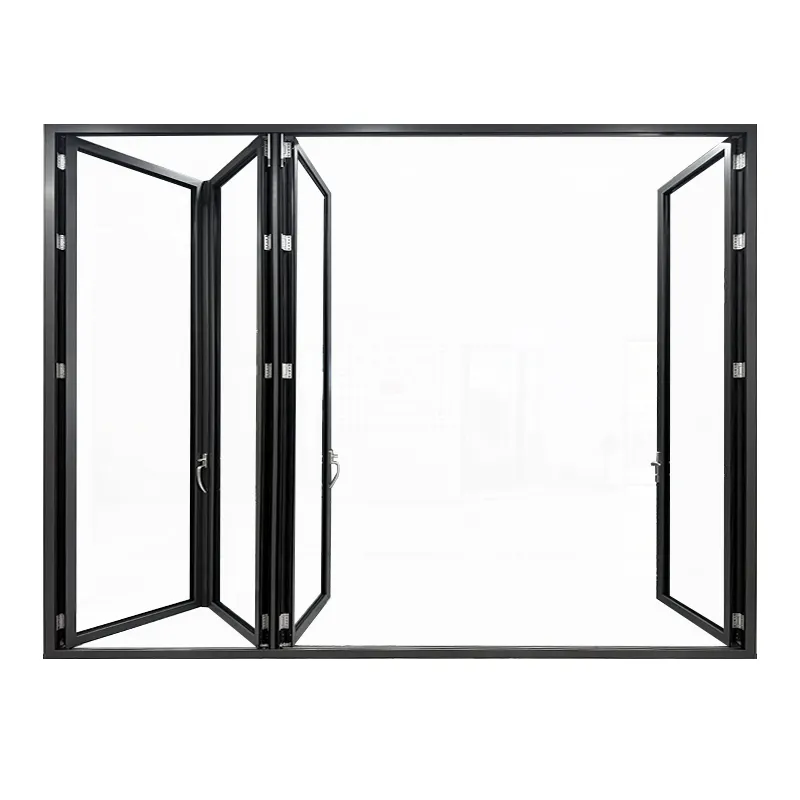
How Aluminum Window Design Affects Soundproofing Performance
Sound Insulation Properties of Aluminum Windows and Material Density
Pure aluminum is actually lighter than wood or vinyl, but smart engineering has made modern aluminum windows much better at handling sound issues. Manufacturers now build in thick polymer thermal breaks between the frames and fill those empty spaces inside with special sound absorbing stuff like polyamide. According to research from Soundproofing Materials Journal back in 2023, this approach cuts down outside noise by around 30% more than regular aluminum frames. What makes all this possible? Well, aluminum itself stays strong even when we start adding these extra layers inside the frame structure. The metal doesn't bend out of shape easily so everything stays put without weakening the overall strength of the window system.
How Aluminum Frame Design Influences Sound Blocking Capabilities
Aluminum frames with multiple chambers and staggered air pockets can cut down sound by around 18 to 22 dB, which is enough to keep out most normal conversations happening nearby. What makes these frames work so well? They have continuous compression seals that hold up even when winds blow over 50 miles per hour. Inside, there are angled baffles that actually bounce sound waves away from the interior space. Plus, the insulated glazing rebates help separate the glass from the outside frame structure. Real world testing in urban areas shows these designs knock down about 60 percent of mid range traffic noises compared with regular single pane aluminum windows according to the Urban Acoustics Report published last year.
Comparison of STC Ratings for Aluminum Windows in Urban Environments
In metropolitan areas where 35+ STC (Sound Transmission Class) ratings are recommended, high-performance aluminum windows deliver substantial improvements:
| Environment | Baseline STC | Upgraded Aluminum Window STC |
|---|---|---|
| City Traffic (70 dB) | 28 | 34–38 |
| Rail Proximity | 25 | 32–36 |
| Airport Zones | 22 | 28–31 |
Industry studies show that aluminum systems equipped with triple weatherstripping and laminated glass perform within 2 dB of vinyl counterparts in identical urban settings, maintaining effective sound control across diverse noise environments.
Glazing Solutions That Maximize Noise Reduction in Aluminum Windows
Double Glazing and Acoustic Glass Technologies for Enhanced Sound Insulation
Windows with double glazing and about a 6 to 12 mm space between panes cut down on mid-range traffic noise by around 35 percent when compared to regular single pane windows according to research from the Acoustical Society last year. When it comes to higher pitched noises like people talking or dogs barking, there's another option worth considering. Laminated acoustic glass which includes PVB layers works much better at dampening those vibrations. Tests show it can be up to 50% more effective than normal glass. This makes a real difference for people living near busy roads or other loud environments where peace and quiet matters most.
Triple Glazing vs. Laminated Glass: Effectiveness in Soundproofing Aluminum Sliding Windows
Triple glazing does add another layer to windows, but when it comes to stopping those annoying low frequency noises between 30 and 125 Hz, it doesn't really make much difference. The Soundproof Cow research from 2025 shows we're only talking about a 3 to 5 dB improvement in STC ratings compared to high quality laminated glass. City dwellers who want to cut down on all that traffic rumble and airplane drone should probably go with laminated glass instead. Recent tests done on apartments right next to busy highways found that these glass panels actually offer about 18 percent better value for money than triple glazing options. They just work better at keeping out the constant background noise that drives people crazy in urban environments.
Glass Thickness and Its Impact on Sound Transmission Class (STC) Ratings
| Glass Configuration | Thickness | STC Rating |
|---|---|---|
| Single Pane | 4mm | 26–28 |
| Double Glazed | 4+4mm | 34–36 |
| Laminated Acoustic | 6.8mm | 39–41 |
Increasing glass thickness from 3mm to 6mm raises STC ratings by 6 points when combined with asymmetrical spacing such as a 10mm outer gap and 16mm inner gap which disrupts sound wave resonance and enhances overall insulation.
Case Study: Noise Reduction Performance of Triple-Glazed Aluminum Windows in High-Traffic Areas
In 2024, when they retrofitted those 112 apartments in Barcelona that were dealing with all that street noise around 75 decibels, the results were pretty impressive. They managed to cut down indoor noise by about 15 dB on average, which is quite a difference. Most people living there seemed happy too - roughly 92% said they felt their homes had reached what could be called conversation level quietness, anything below 45 dB basically. But there was a catch though. The triple glazing added so much extra weight that they had to install stronger aluminum frames to support everything. And guess what happened next? Those bigger frames created more thermal bridges across the building envelope, leading to about a 7% jump in overall energy expenses for these buildings. So while quieter living conditions improved significantly, property managers now face higher utility bills because of this necessary structural reinforcement.
Sealing, Installation, and System Integrity for Optimal Sound Control
Sealing Technologies and Acoustic Seals for Airtightness in Aluminum Windows
Getting good sound control from aluminum windows really comes down to how well they're sealed. The high density EPDM rubber gaskets do a great job keeping things tight where parts move against each other. Acoustic grade silicone is what goes into those tricky spots where the window meets the wall. What makes this work so well? Well, aluminum itself doesn't vibrate much because it's pretty rigid, but without proper seals around all edges, most outside noise just slips right through. Studies in building acoustics from last year show something interesting too. A tiny gap as small as 1mm can actually drop the STC rating by about 15 decibels. That kind of difference matters when trying to block unwanted sounds from getting inside.
Installation Quality and Sealing Techniques for Optimal Sound Reduction
Getting the installation just right makes all the difference when it comes to soundproofing those aluminum windows properly. Pros who know their stuff will bring out the laser levels to get everything aligned straight as an arrow, then slap on some expanding foam to really lock down those gaps between the window frame and the wall. After the job is done, they run tests using things like blower doors to check if air is actually staying put where it should be. The numbers don't lie either - according to industry stats, professionally installed windows perform about 30% better in terms of Sound Transmission Class ratings than what most folks manage when they try doing it themselves with tools bought from the hardware store.
Why Professional Installation Is Crucial for Maximizing STC Ratings
Professional installers know where those sneaky sound leaks hide that most DIY folks miss completely. They cover those little weep holes with special acoustic mesh, give extra support to those tricky miter joints at the corners, and tweak all the hardware so the seals stay tight and effective. Some real world testing shows something interesting too. Windows installed by pros keep about 95% of their original sound blocking power after ten years, while the ones people try to put in themselves only hold onto around 67%. That gap actually makes a big difference in how quiet things feel inside. Think of it as cutting down city traffic noise by roughly 8 decibels, which is pretty noticeable when trying to sleep or concentrate at night.
Retrofitting vs. Replacing Aluminum Windows for Improved Soundproofing
Upgrading seals and adding acoustic glass to existing aluminum window frames
Upgrading old aluminum windows through retrofitting can boost their sound insulation capabilities anywhere between 35 to 50 percent without needing complete replacement. When homeowners replace those worn out gaskets with proper airtight acoustic seals, which typically cost around $8 to $15 for each linear foot, they start making real improvements. Adding laminated acoustic glass about 6 to 8 millimeters thick into the existing frames cuts down on airborne noise levels by roughly 12 to 15 decibels. According to a recent sustainability report published in 2023, these retrofits manage to keep about 85% of the original window structure intact while bumping up STC ratings from 28 all the way to 33. That kind of performance actually matches what we see in many mid range new window installations today.
Cost-benefit analysis of retrofitting vs. full replacement for noise reduction
The average retrofit runs between $120 and $180 per window, while replacing entirely costs anywhere from $400 to $700. New windows do offer better STC ratings overall, sometimes reaching as high as 38, but most retrofits still get around 75 to 80 percent of that noise blocking power for about a third of what full replacements cost. For city dwellers especially, these savings start paying off pretty quickly too. Most folks see their money back within five to seven years thanks to lower heating bills and quieter living spaces that actually boost home values. Still worth noting though, if those old frames are really beat up or if we're talking about single pane glass from decades ago, then going all out with complete replacements might be the smarter move in the long run for best results.
FAQ
What are the benefits of using aluminum windows for soundproofing?
Aluminum windows can offer excellent soundproofing benefits such as reducing outside noise due to advanced frame designs and materials used. They maintain their structural integrity while incorporating layers for sound absorption and insulation.
How does glass thickness affect soundproofing in aluminum windows?
Increasing glass thickness and utilizing multiple layers can significantly improve STC ratings, disrupting sound wave resonance and enhancing insulation.
Is it better to retrofit or replace old aluminum windows for soundproofing?
Retrofitting can dramatically boost sound insulation capabilities at a fraction of the cost compared to full replacements, but complete replacements may be more ideal if the frames are very old or damaged.
Why is professional installation recommended for optimizing soundproofing?
Professional installation ensures precise alignment and sealing, maintaining sound blocking performance over time and preventing sound leaks that may occur with DIY efforts.
Table of Contents
- How Aluminum Window Design Affects Soundproofing Performance
- Glazing Solutions That Maximize Noise Reduction in Aluminum Windows
- Double Glazing and Acoustic Glass Technologies for Enhanced Sound Insulation
- Triple Glazing vs. Laminated Glass: Effectiveness in Soundproofing Aluminum Sliding Windows
- Glass Thickness and Its Impact on Sound Transmission Class (STC) Ratings
- Case Study: Noise Reduction Performance of Triple-Glazed Aluminum Windows in High-Traffic Areas
- Sealing, Installation, and System Integrity for Optimal Sound Control
- Retrofitting vs. Replacing Aluminum Windows for Improved Soundproofing
- FAQ