 EN
EN

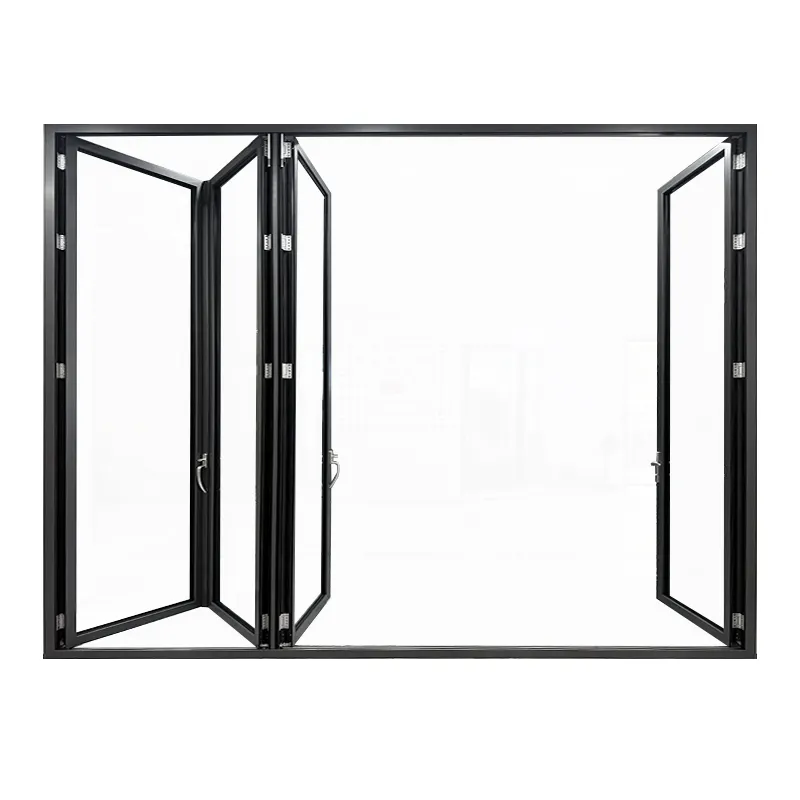
How Double Glazing Enhances Thermal Insulation
The Science Behind Double Glazed Windows and Thermal Insulation
Double glazing works by having two pieces of glass with space between them filled with either nothing at all (a vacuum) or something like argon or krypton gas. This gap stops heat from moving through so easily because it limits how much warmth can travel via direct contact or air currents. Many modern double glazed units also come with special coatings called Low-E that bounce infrared light back inside during winter months, which helps keep homes warmer without using extra energy. Since these window units are sealed tight, there's not much air getting through between those glass layers either, making rooms feel more consistently comfortable throughout different seasons.
Comparison Between Single and Double Glazing in Energy Retention
Thermal imaging studies show single-pane windows lose heat up to 50% faster than double-glazed units. According to the National Fenestration Rating Council, double glazing can reduce annual heat loss by 18,000-24,000 BTUs per window in temperate climates, significantly improving a home’s energy balance.
Insulating Properties of Double Pane Windows Explained
Several key elements determine the effectiveness of double glazing:
- Gas fills: Argon, with a thermal conductivity of 0.016 W/m·K, performs better than air (0.024 W/m·K), reducing heat flow across the window.
- Spacer technology: Warm-edge spacers reduce edge conduction by 47% compared to traditional aluminum spacers, minimizing cold spots and condensation.
- Glass coatings: Low-E coatings reflect heat while allowing daylight through, blocking up to 70% of UV radiation without compromising visibility.
Role of Double Glazing in Overall Home Insulation Performance
Walls and roofs take care of about 60 to 70 percent of all heat moving through a house, but windows just don't measure up when it comes to insulation. They let too much warmth escape during winter and allow summer heat to sneak in. Installing double glazed windows makes a big difference though. These units cut down on drafts and keep temperatures more stable inside, which means the heating system doesn't have to work as hard. Some actual testing showed homes saved around 23% on HVAC operation time after switching out old single panes. And if homeowners also seal gaps around window frames with good quality weather stripping, they can reach those ENERGY STAR standards almost half a year sooner than usual. This kind of upgrade really pays off for anyone looking to slash monthly utility bills while making their home more comfortable year round.
Reducing Heating and Cooling Costs with Double Glazed Windows
Impact of Double Glazing on Household Heating and Cooling Needs
Double glazed windows with their sealed gas layers and Low-E coatings cut down heat loss by around 25 to 35 percent when compared to regular single pane glass. What does this mean for homeowners? Less work for their heating and cooling systems basically. According to the Residential Energy Efficiency Report from 2023, houses located in areas with variable weather see about 20 to 24 percent fewer heating cycles during winter months, plus roughly 28 percent less need for air conditioning in summer. These energy saving features really shine in places where temperatures swing wildly throughout the year, particularly those locations that rack up over 3,000 combined heating and cooling days annually. When it gets super hot or freezing cold outside, these windows help maintain comfortable indoor conditions without breaking the bank on utility bills.
Annual Savings on Utility Bills Through Improved Energy Efficiency
Double glazed windows help keep houses cooler in summer and warmer in winter, which cuts down on energy usage quite a bit. According to data from the Department of Energy released last year, homes typically save between 870 to 1,200 kilowatt hours each year just by installing these windows. For families who rely on electric heating systems, this translates into around $220 to $380 saved every single year. Recent research published in 2024 looked at how well different homes perform energy-wise, and what they found was pretty interesting. Most people actually get their money back from installing double glazing through lower utility bills within 5 to 9 years, and this works out across about 85 percent of all climate zones in America. The benefits get even better when homeowners also upgrade their attic insulation. In really hot regions, combining both improvements can slash peak cooling needs by as much as 30%, which means air conditioning systems don't have to work so hard during those brutal heat waves we've been experiencing lately.
Environmental Impact of Lower Energy Consumption
Double glazed windows contribute significantly to environmental sustainability by lowering energy demand in buildings.
Lower carbon footprint through enhanced energy efficiency
Better insulation means we don't have to depend so much on heating and cooling systems that run on fossil fuels, which cuts down on greenhouse gases. Studies indicate homes with good quality double glazing release between 28 and 34 percent fewer carbon dioxide emissions each year compared to old fashioned single pane windows. That's roughly the same as taking away one and a half gas guzzling cars from every home's driveway. These kinds of reductions really matter for fighting climate change since buildings account for almost twenty percent of all CO2 emissions around the world just from keeping things warm or cool inside.
Energy-saving benefits of double glazing in cooling-dominated climates
When air conditioning is the main driver of energy consumption, double glazed windows can really cut down on solar heat gain, which typically brings cooling demands down somewhere between 18% to maybe around 27% during those hot summer months. The reduction in power needed for cooling means less strain on the electrical grid when it matters most, plus we don't have to rely so heavily on those dirty old peaker plants that run on fossil fuels. Some studies indicate that if more people switched to better insulated windows across regions with high cooling needs, we might be able to slash about 4.7 million metric tons worth of CO2 emissions every single year. That's roughly the same as what would happen if someone planted somewhere close to 78 million fully grown trees annually. And interestingly enough, these benefits become even more pronounced in urban areas suffering from heat island effects, where replacing lots of standard windows with energy efficient ones not only saves money on bills but also makes breathing easier for everyone living nearby.
Long-Term Energy Performance in Residential Buildings
Data-driven analysis of energy efficiency in homes with double glazing
A 2023 study published in Nature analyzed 400 residential retrofits and found that double glazing reduces heat transfer by 53-63% compared to single-pane windows (Nature, 2023). Advanced thermal monitoring revealed indoor temperatures remained 3.8°C closer to thermostat settings in winter, leading to a 21% annual reduction in furnace operation.
Case study: Energy consumption before and after double glazing installation
A longitudinal study of 12 retrofitted apartments over 18 months showed a 34% decline in heating demand and a 27% drop in cooling loads. Gas consumption fell by 2,900 kWh/year per unit, yielding £180-£240 in annual savings at current energy prices.
Long-term reduction in energy demand due to advanced window technology
Aggregated data from 10 EU countries indicate that double glazing contributes to 14-19% lower whole-home energy consumption over 15-year periods. These sustained savings align with IPCC projections that advanced fenestration systems could cut global building-sector emissions by 5.7% by 2040 through cumulative energy reductions.
FAQ Section
What is double glazing?
Double glazing involves two panes of glass separated by a gap filled with either air or a gas such as argon, which improves insulation.
How does double glazing reduce energy costs?
Double glazing minimizes heating and cooling needs by retaining heat in winter and reflecting heat in summer, thus reducing energy usage.
What environmental benefits does double glazing offer?
Double glazing reduces the carbon footprint of a home by decreasing reliance on fossil fuels for heating and cooling, thus lowering greenhouse gas emissions.
Is double glazing beneficial in all climates?
Yes, double glazing helps in both heating-dominated and cooling-dominated climates by improving energy efficiency throughout the year.