 EN
EN

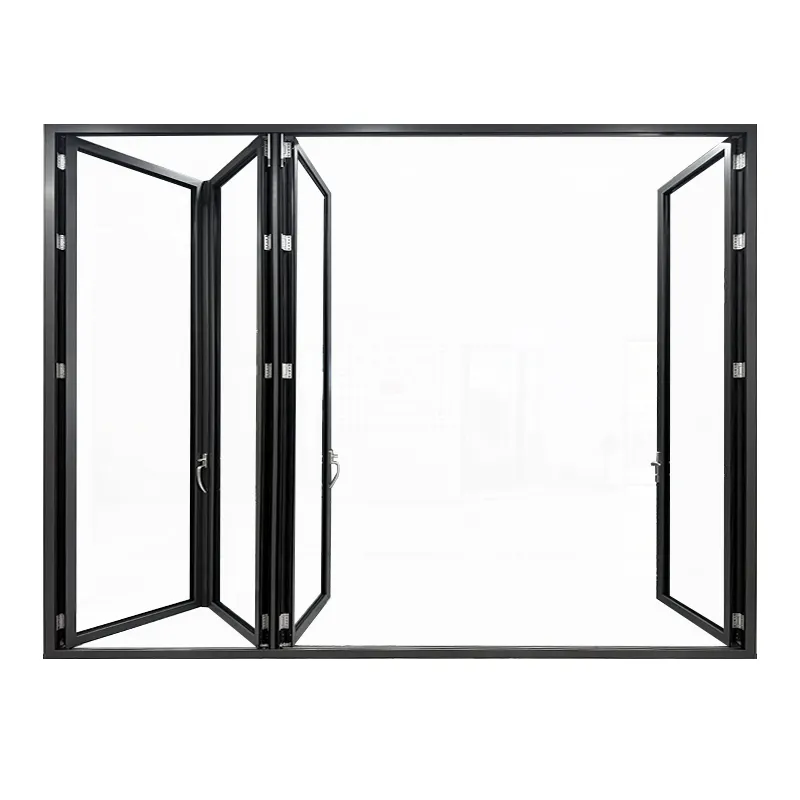
How Thermal Break Technology Enhances Energy Efficiency in Villa Windows
The Problem of Heat Transfer in Standard Aluminum Frames
Regular aluminum window frames basically become conduits for temperature changes, letting outside heat or cold seep right through into the living spaces of villas. Traditional single pane windows typically have U-values ranging from around 4 to 6 W per square meter Kelvin. That means they transfer about 40 percent more heat compared to those newer thermally broken options on the market today. Because aluminum conducts heat so readily, this makes air conditioning units struggle an extra 30% during really hot or cold weather conditions. The result? Higher electricity bills and increased running costs over time for property owners dealing with these inefficient systems.
How Thermal Breaks Interrupt Conductive Heat Flow with Polyamide Strips
Thermal break tech works by placing these special polyamide strips between the inside and outside parts of window frames. These materials conduct heat about 700 times worse than regular aluminum does, which makes them great insulators. The result? Heat transfer drops significantly, somewhere around 60 to maybe even 75 percent less than without them. For those really advanced setups, manufacturers now make thermal breaks that are anywhere from 24 millimeters up to 35 mm thick. These wider breaks include several small air pockets built right into the frame. These air spaces stop warm air from moving around inside the frame itself, which helps maintain better temperature control overall across the entire structure.
U-Values and Thermal Performance in Mediterranean and Cold Climates
Modern thermal break aluminum windows achieve U-values between 0.8–2.0 W/(m²K), a 70–85% improvement over conventional systems. Climate-specific engineering optimizes performance:
- Mediterranean regions: U-1.4 windows meet strict energy codes while minimizing solar heat gain
- Northern climates: U-0.8 configurations prevent interior heat loss through enhanced thermal breaks
- Coastal areas: Hybrid profiles combine condensation resistance with salt spray durability
Proper thermal break placement increases interior frame surface temperatures by 5–8°C compared to non-thermal counterparts. Systems maintain these efficiencies across temperature extremes from -30°C to +50°C, ensuring reliable performance in diverse environments.
Combining Thermal Break Frames with High-Performance Glazing Systems
Integrating thermal breaks with advanced glazing delivers synergistic energy savings:
- Low-E coatings reflect 90% of infrared heat
- Argon-filled triple glazing achieves center-of-glass U-values ⩽ 0.17 W/(m²K)
- Warm edge spacers reduce frame-edge thermal bridging by 40%
This combination lowers whole-window U-values below 0.8 W/(m²K) while preserving the slim sightlines essential for villa architecture. The dual insulation effect reduces condensation risk by maintaining interior frame temperatures above dew point in 95% of climate conditions.
Improving Indoor Comfort: Condensation Resistance and Climate Adaptability
Surface Temperature Regulation and Reduced Condensation Risk
Thermal break windows work by separating the aluminum parts on the outside from those inside, which helps keep the interior frame surfaces stable. Frames stay about 8 to 12 degrees Celsius warmer compared to regular window systems when it gets really cold outside. This makes a big difference because there's around 60% less chance of condensation forming. According to studies done by folks at the Fenestration and Glazing Industry Alliance, or FGIA for short, these special windows score between 55 and 70 on something called the condensation resistance factor. That number is pretty impressive actually, especially considering how much better they perform than old fashioned windows in places where humidity levels are high like along coastlines.
Enhancing Air Quality and Preventing Mold in High-Humidity Villas
Thermal break tech cuts down on surface moisture, which means indoor humidity builds up about 40 to 50 percent less in hot, humid areas. Research from last year showed something interesting too. Villas equipped with these special windows had around 32 percent fewer mold spores floating around compared to regular windows. Pretty impressive when considering mold problems in damp climates. What makes this system work so well is how it plays nicely with existing ventilation methods. Together they keep the air inside at a comfortable level, generally staying under that 55% humidity mark throughout the whole year. Not bad for something that just sits there looking good while doing all that behind the scenes.
Tailoring Thermal Break Profiles to Regional Climate Zones
- Mediterranean climates: Wider thermal barriers (34–40mm) focus on rejecting solar heat gain
- Nordic regions: Multi-chambered polyamide strips deliver superior insulation (U-values ⩽ 0.85 W/m²K)
- Tropical zones: Moisture-resistant barrier formulations prevent hydrolytic degradation
Using climate modeling data, architects now specify customized thermal break configurations to achieve temperature stability within ±1.5°C regardless of external conditions.
Structural Durability and Long-Term Performance in Premium Villa Applications
Material Science Behind Reinforced Polyamide Barriers
Reinforced polyamide strips—typically 24–34mm wide—form durable thermal barriers while maintaining structural rigidity through glass fiber reinforcement. Independent testing under ASTM D695 (2023) shows these materials retain 92% of compressive strength after 50 thermal cycles, ensuring long-term stability across decades of seasonal fluctuations.
Wind Load Resistance and Structural Testing in Coastal Environments
Designed for demanding coastal applications, thermal break windows meet Class 5 wind resistance per EN 14351-1, enduring winds exceeding 130 mph. Structural analyses confirm they remain fully operable at 1.5 times their design pressure, making them ideal for hurricane-prone regions where durability is critical.
Lifespan Comparison: Thermal Break vs. Conventional Aluminum Windows
Third-party lifecycle assessments highlight significant advantages:
| Metric | Thermal Break Windows | Standard Aluminum | Improvement |
|---|---|---|---|
| Average lifespan | 35–45 years | 15–25 years | +87% |
| Maintenance frequency | Every 7 years | Every 3 years | -57% |
The polyamide barrier eliminates electrolytic corrosion between aluminum sections—the primary failure mode in conventional systems—extending service life and reducing maintenance.
Addressing Concerns About Structural Continuity in Thermal Break Systems
Modern designs use dovetail joints and stainless steel shear pins to ensure uninterrupted load transfer. Finite element analysis confirms thermal break joints retain 95% of solid aluminum’s tensile strength, especially in multi-chamber profiles engineered for large glazed expanses.
Thermal Break Aluminum Casement Windows for Villa Projects
Design Flexibility and Sustainability in Luxury Residential Projects
Thermal break aluminum casement windows enable architects to merge avant-garde aesthetics with environmental responsibility in villa design. The technology supports custom configurations—from floor-to-ceiling glazing to geometric divided lites—without compromising the thermal barrier, which reduces energy loss by up to 60% compared to standard frames (Window & Door Magazine 2024).
Aesthetic Integration and Customization for Modern Villa Architecture
Available in over 35 powder-coated finishes and custom-anodized options, these windows seamlessly match materials like corten steel, limestone, or timber cladding. Slim 55mm thermal break profiles support up to 90% glass-to-frame ratios, enabling expansive glazing that enhances biophilic design. Integrated solar shading grooves further unify functionality with minimalist architectural expression.
Case Study: Thermal Break Windows in Mountain and Coastal Luxury Villas
A luxury villa perched on the cliffs of Mallorca saw its cooling bills drop by nearly half after installing thermal break windows featuring low emissivity glass, even though it faces daily saltwater spray from the Mediterranean. Up in the Alps, similar window systems kept interiors free from condensation during freezing temperatures as low as minus 20 degrees Celsius, while holding up under heavy snowfall that can pile up to over 150 kilograms per square meter. What makes these windows so versatile? The secret lies in their polyamide reinforcement components, which have passed rigorous testing according to EN 14351-1 specifications. These materials stand up remarkably well against Mother Nature's harshest conditions, whether it's coastal corrosion or mountain cold.
Supporting Green Building Certifications Like LEED and BREEAM
Thermal break windows have U-values around 0.89 W/m²K, helping high-end villas get between 7 and 12 points in the Energy & Atmosphere section of LEED certifications. The latest Luxury Housing Report from 2025 shows that about two thirds of environmentally aware home buyers look specifically for materials that come with Environmental Product Declarations (EPDs). Most major manufacturers are starting to offer these declarations now. What makes them valuable? They show there's roughly 38 percent less carbon built into these products compared to regular aluminum frames. This kind of performance actually meets the strict requirements needed for BREEAM's Outstanding rating in green residential buildings. For developers aiming at sustainability, this information becomes pretty important when selecting building materials.
Frequently Asked Questions
What is the purpose of thermal break technology in villa windows?
Thermal break technology improves energy efficiency by interrupting heat flow through polyamide strips, resulting in better insulation and reduced heat transfer.
How do thermal break aluminum windows compare to standard aluminum frames?
Thermal break windows have a significantly lower U-value, improving insulation and reducing heat transfer by up to 85% compared to standard aluminum frames.
Can thermal break windows withstand extreme weather conditions?
Yes, they are designed to handle temperature extremes—from -30°C to +50°C—and meet strict wind resistance standards, making them suitable for various climates.
Do thermal break windows contribute to indoor comfort?
Absolutely, they help regulate surface temperatures and minimize condensation, enhancing indoor air quality and reducing mold risks.
Are thermal break windows suitable for modern villa architecture?
Yes, they offer design flexibility, supporting expansive glazing and customization while maintaining energy efficiency.
Table of Contents
- How Thermal Break Technology Enhances Energy Efficiency in Villa Windows
- Improving Indoor Comfort: Condensation Resistance and Climate Adaptability
- Structural Durability and Long-Term Performance in Premium Villa Applications
- Thermal Break Aluminum Casement Windows for Villa Projects
- Design Flexibility and Sustainability in Luxury Residential Projects